
Creating a cozy and productive home office space is essential for anyone who works from home or needs a dedicated area for personal projects. A thoughtfully designed workspace can increase focus, reduce stress, and make your workday more enjoyable. Whether you have a small corner or an entire room, these tips will help you create a comfortable and efficient environment.
Choose the Right Location
Consider Natural Light
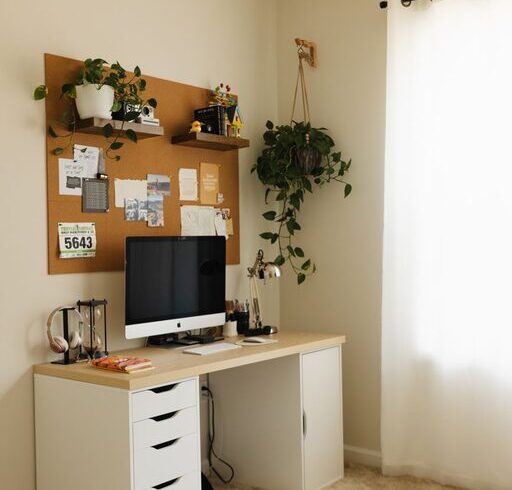
Where you set up your office can make a big difference in your comfort and productivity. Ideally, pick a spot with plenty of natural light. Sunlight can improve your mood and reduce eye strain. Position your desk near a window but avoid glare on your computer screen by using sheer curtains or blinds.
Minimize Distractions
Try to find a quiet area away from household noise, high-traffic zones, or busy family spots. If a quiet corner is unavailable, noise-canceling headphones can help create an auditory bubble for concentration.
Invest in Comfortable and Functional Furniture
Ergonomic Chair and Desk
Comfort is key for long hours at your desk. An ergonomic chair that supports your back and promotes good posture is a smart investment. Pair it with a desk at the right height that suits your work style, whether sitting or standing.
Desk Organizer and Storage
Keep your workspace clutter-free with organizers, shelves, and storage bins. Having a designated place for your supplies helps maintain focus and saves time searching for items.
Personalize Your Workspace
Add Cozy Elements
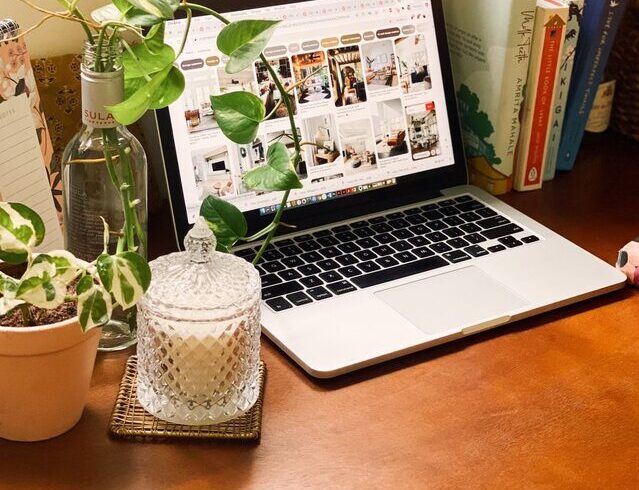
Incorporate soft textures like a plush rug, cushions, or a throw blanket to make your space inviting. Plants also add life and can improve air quality, which supports concentration and well-being.
Use Colors You Love
Choose colors that enhance your mood. Soft blues and greens tend to be calming, while pops of bright colors like yellow or orange can boost energy. Personal artwork or inspirational quotes also add motivation and personality.
Optimize Lighting
Use Layered Lighting
Good lighting combines ambient, task, and accent lighting. Overhead lights provide general illumination, while desk lamps offer focused light for detailed work. Adjustable lamps help reduce eye strain.
Control Screen Glare
Position your monitor perpendicular to windows or light sources to reduce reflections. Anti-glare screen protectors are another option if repositioning isn’t possible.
Organize Technology and Cables
Streamline Your Setup
Limit desk clutter by managing cables with clips or sleeves. Use wireless devices like keyboards and mice where possible to keep the area tidy.
Ensure Reliable Internet and Equipment
A stable internet connection and quality equipment (printer, scanner, headphones) help avoid interruptions and keep your workflow smooth.
Encourage Breaks and Movement
Create a Relaxation Spot
If space permits, include a comfortable chair or small sofa where you can take short breaks. Relaxing away from your desk encourages mental refreshment.
Incorporate Movement
Consider a standing desk converter or take short walking breaks to reduce stiffness and increase energy. Simple stretches at your desk can also improve circulation.
Maintain a Clean and Clutter-Free Space
Daily Clean-Up Routine
Spend a few minutes at the end of each day to tidy your desk and organize papers. A clean environment fosters clear thinking.
Use Digital Tools
Minimize paper by using digital planners, note-taking apps, and cloud storage. This reduces physical clutter and makes files easier to find.
Establish Boundaries and Routine
Set Work Hours
Define clear start and finish times to separate work from personal life. Communicate these boundaries to family or housemates to avoid interruptions.
Create a Start-of-Day Ritual
Prepare your workspace and set goals before you begin working each day. This signals your brain to switch into work mode.
—
By following these tips, you can create a home office space that feels both cozy and highly productive. A well-designed workspace supports your focus, creativity, and overall well-being, making every workday more enjoyable and successful.