
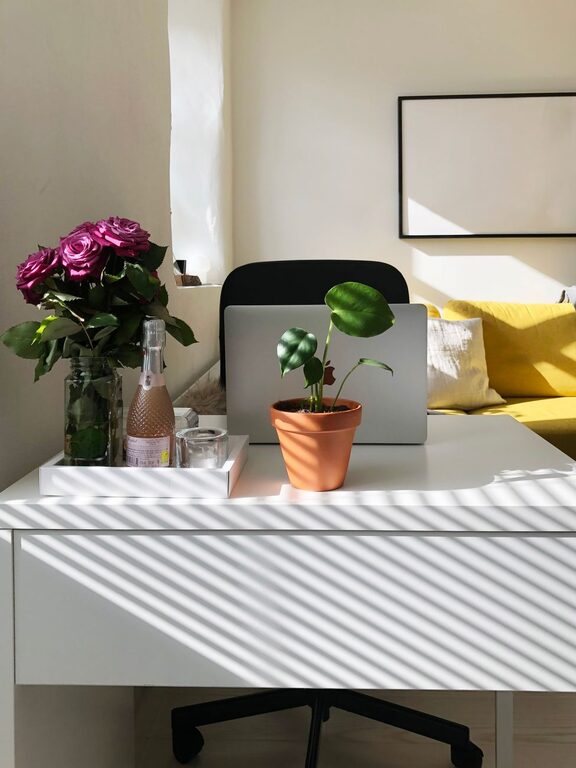
Creating a home workspace that feels cozy and inviting can make a huge difference in how productive and comfortable you are throughout the day. Whether you work remotely full-time or just need a dedicated spot for occasional tasks, having a space that inspires focus and relaxation is key. In this post, we’ll explore practical tips for designing a workspace that feels welcoming, supports your work needs, and suits your personal style.
Why a Cozy Workspace Matters
A workspace is often where much of your day is spent, so it should be more than just a place to set your laptop. A cozy environment can reduce stress, enhance creativity, and improve overall well-being. When you feel comfortable and happy in your workspace, it’s easier to stay motivated and organized.
Choosing the Right Location
Find Natural Light
Whenever possible, select a spot near a window. Natural light not only brightens your space but also helps regulate your circadian rhythm, keeping you alert during the day.
Minimize Distractions
If your home has busy areas like the kitchen or living room, try to choose a quieter corner or a spare room. This helps your brain shift into work mode more easily.
Consider Your Routine
Think about when and how you work best. If you’re a morning person, set up your workspace where sunlight floods in early. If you prefer late hours, look for a cozy nook where you can add soft lighting.
Selecting Comfortable and Functional Furniture
Invest in an Ergonomic Chair
Since you’ll be sitting for long periods, choose a chair that supports your posture. Look for adjustable height, lumbar support, and comfortable cushioning.
Choose the Right Desk
Pick a desk that fits your space and meets your needs. Whether it’s a small writing desk or a larger workstation, ensure it provides enough surface area without creating clutter.
Consider Standing Options
If you prefer mixing sitting and standing, a height-adjustable desk or a standing desk converter can add flexibility and comfort throughout your day.
Creating a Warm Ambiance with Colors and Textures
Use Calming Colors
Soft, neutral tones like beige, light gray, or pastel hues tend to create a relaxing atmosphere. If you want a pop of color, choose muted shades of blue or green, which are known to promote calmness and focus.
Add Textiles
Incorporate cozy elements like throw blankets, cushions, or a small rug to soften the space. These textures contribute warmth and can transform a simple desk area into a comfy retreat.
Include Personal Touches
Display a few meaningful items such as photos, artwork, or plants. Personal details help make the workspace feel inviting without overcrowding.
Organizing Your Workspace Efficiently
Keep It Clutter-Free
A tidy desk helps reduce distractions. Use organizers, trays, or drawers to keep supplies like pens, papers, and chargers neatly stored.
Use Vertical Storage
Shelves or pegboards can free up desk space and keep essentials within reach. This also adds visual interest and can be styled attractively.
Cable Management
Use cable clips or sleeves to keep cords neat and out of the way. Organized cables prevent frustration and create a cleaner look.
Lighting Considerations
Combine Different Light Sources
Layer your lighting with overhead lamps, desk lamps, and natural light. This lets you adjust brightness based on the time of day and task.
Choose Warm Bulbs
Soft white or warm light bulbs are easier on the eyes and help maintain a cozy feel, especially in the evenings.
Avoid Glare
Position your monitor and lighting to reduce glare, which can cause eye strain and discomfort.
Incorporating Nature for Calmness and Fresh Air
Add Indoor Plants
Plants not only brighten the space but also improve air quality and reduce stress. Low-maintenance options like succulents or pothos work well in desk areas.
Use Natural Materials
Wood desks, wicker baskets, or stone accessories bring an organic element that enhances warmth and comfort.
Open Windows When Possible
Fresh air circulation can improve focus and help you feel refreshed during long work sessions.
Creating Boundaries Between Work and Home Life
Define Your Workspace Area
Even if it’s a small spot, setting clear boundaries helps mentally separate work from relaxation.
Set Up a Routine
Start and finish your workday with rituals like tidying your desk or turning off your computer. This signals a transition and helps maintain work-life balance.
Limit Work Clutter After Hours
Store work materials away when you’re done to keep the rest of your home calm and clutter-free.
Final Thoughts
Designing a cozy and inviting home workspace is about balancing comfort, functionality, and personality. By paying attention to lighting, furniture, organization, and ambiance, you can create a spot that promotes productivity while feeling warm and welcoming. Taking the time to tailor your environment to your needs will make working from home more enjoyable and efficient. Try out these tips and watch your workspace transform into a place you look forward to spending time in every day!
